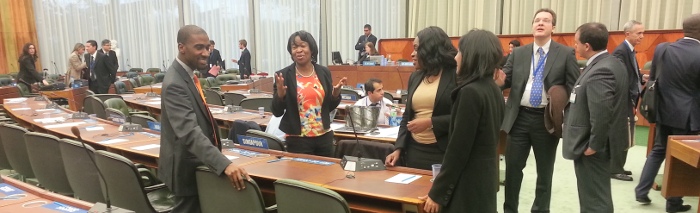
WIPO Copyright Committee (SCCR 25) begins week of negotiations. Treaties for disabilities and broadcasting are focus
|
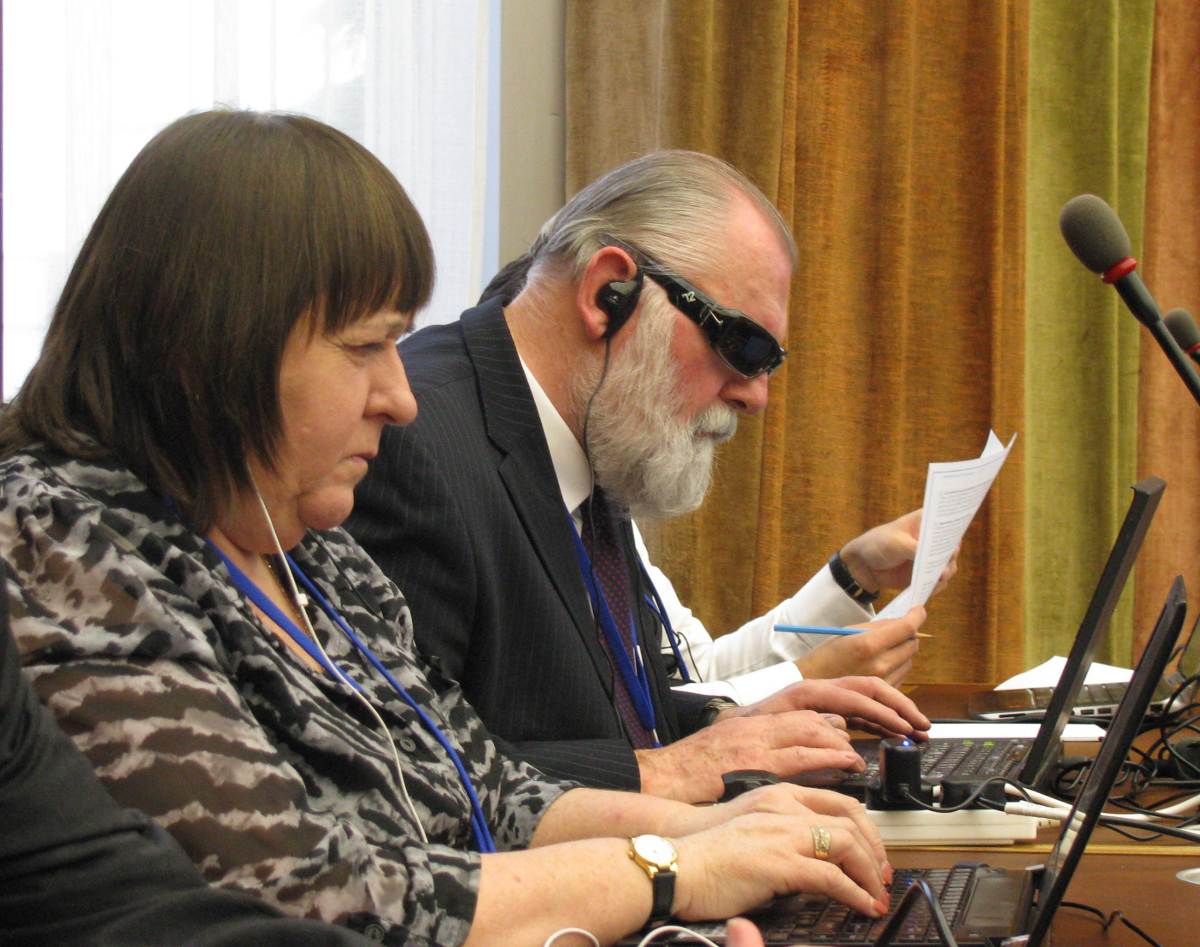
| Maryanne Diamond and Chris Friend of the WBU listen to opening interventions at SCCR 25 |
|
|
| Maryanne Diamond and Chris Friend of the WBU listen to opening interventions at SCCR 25 |
Mark Rohrbaugh has written to Krista Cox to acknowledge the October 25, 2012 march-in petition. According to Rohrbaugh, the petition has be delegated to NIH’s Office of Technology Transfer (OTT), and “NIH has begun to review the issues you have brought to our attention.” Rohrbaugh closes by saying “We expect to respond to your request by the end of the year.” Continue Reading
The US Food and Drug Administration (FDA) publishes the “Orange Book: Approved Drug Products with Therapeutic Equivalence Evaluations” in both an annual paper bound edition and web-based searchable database (available here). As part of a larger effort to expand access to government data, the FDA provides monthly updates of the underlying data here.
How did the market respond to Romney’s temporary surge in polling data? And which sectors of the economy expect to do better if Romney is elected? For the companies included in a survey, the share prices for all large banks and large health insurance and managed care providers rose when Romney’s poll numbers unexpectedly surged, while prices for the companies in the telecommunications and technology sectors declined.
Following our filing of a march-in petition with the NIH, seeking a rule that government funded inventions be no more expensive in the United States than in other high income countries, I was asked about the extent of federal funding of patented inventions.
On October 25, 2012, the American Medical Students Association (AMSA), Knowledge Ecology International (KEI), U.S. Continue Reading
After three days, the WIPO intersessional negotiations on copyright exceptions for persons with disabilities adjourned. On July 26, 2012, the SCCR negotiating text (SCCR 24/9) was 26 pages long, with 4051 words, and included 56 brackets, and 20 alternatives. The Final document on Friday (copy here) evening was 26 pages, with 47 brackets, and 22 alternatives.
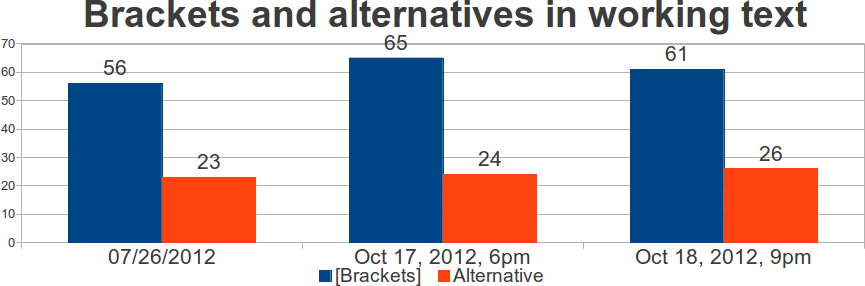
The October 18 version of the text is available, here. From the October 17 version, the number of brackets as gone from 65 to 61. The number of alternatives has increased from 24 to 26. Both numbers are higher than the July 26 version of the text, which had 56 brackets and 23 alternatives.
In recent and current negotiations over copyright norms, the U.S., the European Union and some other high income countries have asked for provisions in the agreement that limit copyright limitations and exceptions to some type of “three-step-test.”