USTR positions in China WTO TRIPS dispute at odds with talking points on ACTA flexibility
Use of Article 1.1 of the TRIPS in the US/China WTO dispute over the enforcement of intellectual property rights
USTR claims that Article 1.2.1 of ACTA provides the flexibility to overlook inconsistencies between US law and ACTA. Below is the text from both Article 1.2.1 of ACTA, and Article 1.1 of TRIPS:
KEI Letter to the European Parliament regarding ACTA, October 25, 2010
(A PDF version of this is available here.)
Knowledge Ecology International
October 25, 2010
Letter to the European Parliament regarding ACTA
KEI’s ACTA timeline
ACTA Timeline
2007
- September 24 to October 3, 2007, WIPO General Assembly meets and approves the WIPO Development Agenda.
- October 23, 2007. Joint announcement is made regarding the formal launch of negotiations on ACTA. The USTR announcement is here.
2008
USTR’s implausible claim that ACTA Article 1.2 is an all purpose loophole, and the ramifications if true
The October 2010 version of the ACTA text is inconsistent with several areas of U.S. law, and proposals for new laws in the areas of the reform of patent damages and access to orphaned copyrighted works. In particular, the obligations in the ACTA text do not incorporate many of the areas of limitations and exceptions to remedies found in U.S. law, and in the statutes of some other countries.
Access to Orphan Works, and ACTA provisions on damages
Access to Orphan Works, and ACTA provisions on damages
KEI Policy Brief 2010: 1
20 October 2010Introduction
Copyright is a term that in the United States describes the laws that regulate the use and distribution of “original works of authorship.” The types of activities and expressions protected by copyright have expanded over the years, particularly due to technology, but also due to the lobbying by various interested parties. The current systems of registration of copyrighted works in the United includes the following catagories:
Senators Sanders and Brown write to Kappos at USPTO, ask if ACTA is consistent with US law
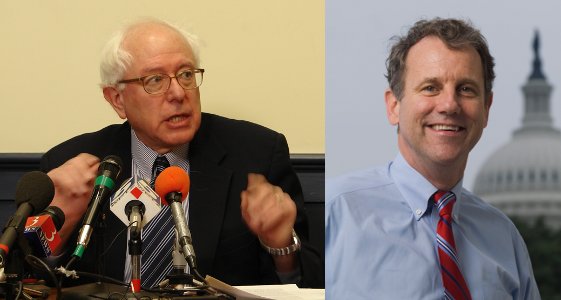
Senators Bernie Sanders and Sherrod Brown On October 19, 2010, Senators Bernard Sanders (I-VT) and Sherrod Brown (D-OH) have written to David Kappos, the Director of the USPTO, asking for an assessment of conflicts between the October 2010 ACTA text, and U.S. law. Continue Reading
Charles F. Johnson’s Timeline of the Origins of the 1967 Stockholm Protocol for developing countries
(This timeline is part of a larger project at KEI regarding an evaluation of the 1971 Appendix to the Berne Convention on “SPECIAL PROVISIONS REGARDING DEVELOPING COUNTRIES.) In 1970, Charles F. Johnson wrote “The Origins of the Stockholm Protocol, 18… Continue Reading
Text: 1967 Stockholm Revision of the Berne Convention Protocol Regarding Developing Countries
Text: 1967 Stockholm Revision of the Berne Convention Protocol Regarding Developing Countries (This html text may contain from errors from an OCR scan. Official copies of the text and a meeting report are also attached at the end of this… Continue Reading
Areas where the Oct 2, 2010 ACTA text is inconsistent with U.S. law
Note: On October 8, 2010, Senator Wyden asked the American Law Division of the Congressional Research Service of the Library of Congress undertake and provide to Congress:
Continue ReadingSenator Wyden asks for legal review of ACTA
Noting the ACTA is being negotiated as an “executive agreement” because “it is not intended to impact U.S. law, but that “some experts outside of government are raising concerns that the ACTA text is contrary to U.S. law and its application or would present a barrier to changes in U.S. Continue Reading