KEI Files Brief in Kirtsaeng v John Wiley & Sons (copyright first sale doctrine case)
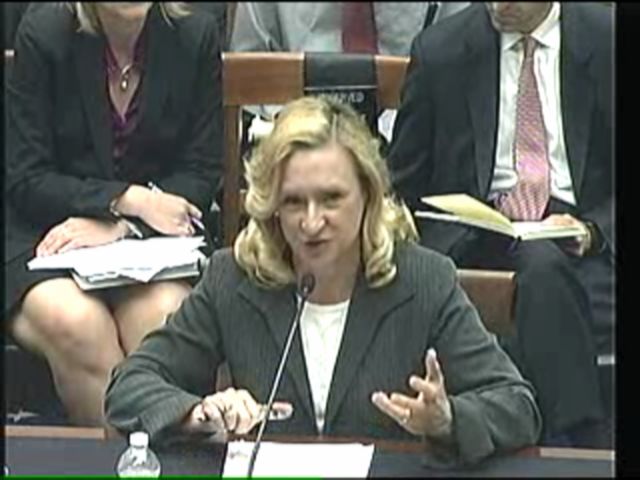
Today, July 9, 2012, Knowledge Ecology International (KEI) filed an amicus brief in the Supreme Court of the United States in support of neither party in the case Kirtsaeng v. John Wiley & Sons.
 |
Continue Reading
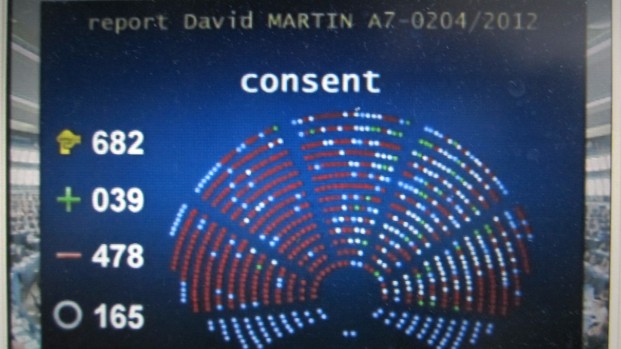
European Parliament votes 478 to 39 to reject ACTA
The vote to reject a delay of the final ACTA vote was 420 Vs 255, followed by the rejection of ACTA by a vote of 478 to 39. KEI Director James Love statement: Joint Statement of Civil Society Groups on U.S. TPP Copyright ProposalThe below is a joint statement from EFF, Knowledge Ecology International, Public Knowledge, and Public Citizen. Joint Statement of Civil Society Groups on U.S. TPP Copyright ProposalUSPTO “clarifies” June 27, 2012 testimony on biologics exclusivity and India compulsory licenseDeputy USPTO Director Teresa Stanek Rea has issued a retraction of her statement regarding Administration support for 12 years of exclusive rights in test data for biologic drugs, and moderated somewhat her statement on the India compulsory license for Nexavar. USTR also issued a statement on the issue of biologic test data in response to Rea’s earlier comments. Copyright Limitations and Exceptions: What does the secret TPPA text say?USPTO and Congress bash India over the Nexavar compulsory license
KEI letter to USTR regarding TPPA copyright provisionsThe governments of Brunei, Chile, New Zealand, Singapore, Australia, Malaysia, Peru, Vietnam and the United States are negotiating a multilateral free trade agreement known as the Trans-Pacific Partnership Agreement (TPP). The negotiations are being conducted with considerable secrecy, even though they address many issues of great interest to the general public. The Agreement will cover many topics, including intellectual property rights, the pricing of pharmaceutical drugs, and the rights of investors to sue states over policies and actions that impact their investments. Continue Reading The language in S. 3187, calling for National Academies evaluation of Medical Innovation inducement prizes
S.3187 Food and Drug Administration Safety and Innovation Act (Engrossed in Senate [Passed Senate] – ES)
SEC. 906. INDEPENDENT STUDY ON MEDICAL INNOVATION INDUCEMENT MODEL. Rejected letter to Foreign Affairs, responding to “Healthy Governance” article about WHOI recently sent the following letter to Andrew Bast, the editor of Foreign Affairs. The letter responds to a May 24, 2012 article by Devi Sridhar, Lawrence O. Continue Reading The USPTO/DOC’s liberal and misleading definition of IP-Intensive industries is designed to influence policy debatesAt yesterday’s TACD event, USPTO and KEI discussed the report by the Department of Commerce’s Economics and Statistics Administration and the United States Patent and Trademark Office on Intellectual Property and employment. The report, titled: Intellectual Property and the U.S. Economy: Industries in Focus, has been widely quoted, including these bullets from its executive summary:
|