SCCR32 Day 4 Strong statement on education by the American University PIJIP
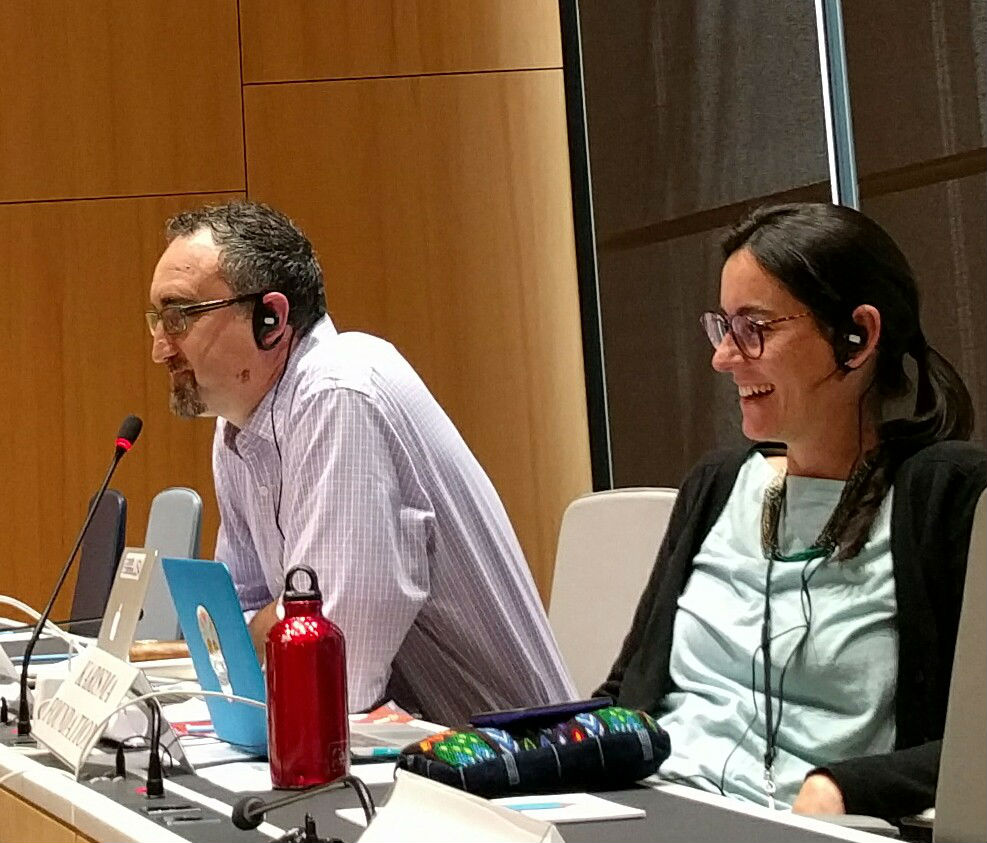
Speaking on behalf of the American University programme on information justice and Intellectual Property. And I speak as an educator myself and also on behalf of a larger network that I coordinate called the global expert network on user rights which is a network of educators.SCCR 32 KEI on Orphan Works
KEI Statement SCCR 32 Day 4 on “Orphan works” and Libraries and Archives
I will be speaking here as a user of libraries and archives and as a user of out of print and orphan works for my past academic work and my research today.
Senator Hatch, before pressuring Colombia over cancer drug compulsory license, wanted one for Napster
(More on Colombia here: /colombia)
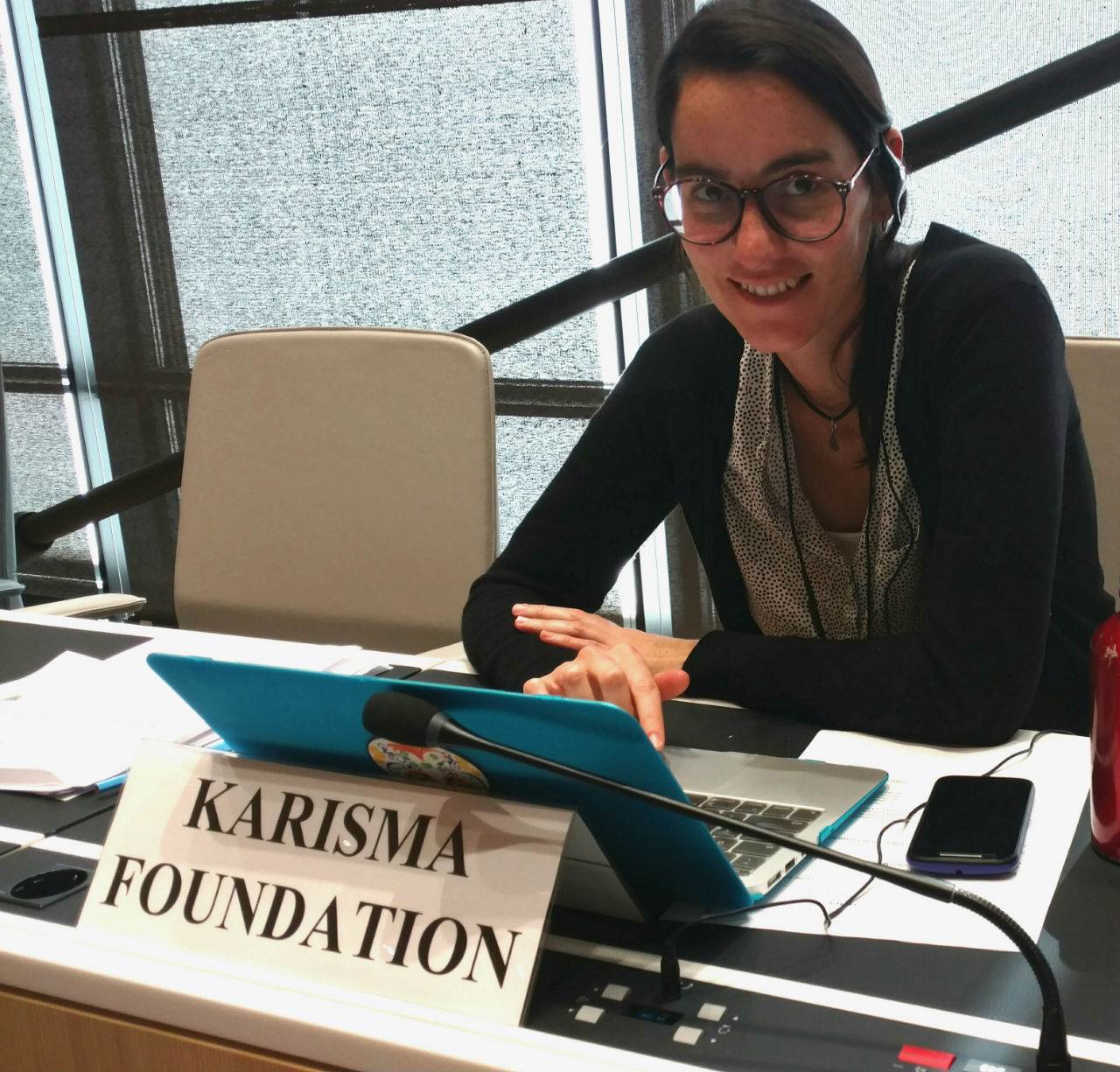
Continue ReadingFundación Karisma at WIPO SCCR32 on broadcast treaty
Good afternoon, and thank you very much, sir.
I wanted to refer to the rights to be granted in this proposed treaty and I would like to give you an example of something that has recently happened in Colombia and how sometimes the retransmission rights can be abused.KEI comment on USTR’s 2016 Special 301 report
The 2016 USTR Special 301 report is now available. (copy here). The report is 77 pages of complaints about intellectual property policies around the world, plus a number of other complaints, including those related to pricing and reimbursement of pharmaceutical drugs and medical devices, restrictions on data flows, standard setting, and government procurement.
On the one hand, USTR says it is supports “access to medicine for all.”
2015 Oct 15 version: RCEP IP Chapter
Attached here (in docx format) is the October 15, 2015 version of the draft intellectual property right chapter for the proposed Regional Comprehensive Economic Partnership (RCEP).
Notes for the talk at Fordham on TPP/TTIP.
These were my notes from my talk on Thursday morning at the annual Fordham International IP conference, which is organized by Professor Hugh Hansen. The panel was titled “Examination of TPP & TTIP.”
What is wrong with the TransPacific Partnership (TPP)?
The TPP was negotiated with asymmetric secrecy. Not from industry, but from the public. Nearly all of the real experts in IP policy were in the dark over the actual language of the texts. We delegated too much power to government trade negotiators and to lobbyists.
Briefing on Beijing Treaty on Audiovisual Performers
On Monday, March 7, 2016, from 1:45 P.M. to 2:45 P.M., the US Patent and Trademark Office (USPTO) met with invited stakeholders in a briefing at the White House on the Beijing Treaty on Audiovisual Performances and the implementation package that was sent to Congress on February 29, 2016. The package was submitted for review to the Senate Foreign Relations and Judiciary Committees.
Notes from KEI’s testimony at today’s USTR Special 301 hearing
(An expanded, edited and better version of this is available in our March 4, 2016 reply comment to USTR, available here: https://www.keionline.org/node/2440)
These were my notes from my testimony for KEI at today’s USTR Special 301 hearing
Big market puts countries on the #special301 watch list
KEI intervention: TTIP Round 12 – Stakeholder events , Brussels (24 February 2016)
KEI intervention: TTIP Stakeholder events Round 12, Brussels (24 February 2016)
A Positive Agenda for TTIP – What we would like to see in the TTIP that would expand access to knowledge?
1) Marrakesh Treaty ratificationThe TTIP should include an obligation to ratify and to implement the WIPO Marrakesh Treaty for Persons Who Are Blind for Otherwise Disabled, in order to expand access to accessible works to persons with disabilities in the European Union and the United States, as well as in other countries.