KEI has recently learned that 6 of 9 countries ignored a UN Special Rapporteur request to respond to the March 22, 2011 complaint regarding the TPP. We are also disappointed in the comments from the three that did respond. The UN process for dealing with such complaints is somewhat bureaucratic and secretive. Among the three countries that did respond, Australia, Chile and New Zealand, all defended the secrecy of the TPP negotiating text and asserted that the TPP would not violate the right to health. Continue Reading →
In April 2012, the WHO released the Report of the Consultative Expert Working Group on Research and Development: Financing and Coordination (CEWG). One of its primary recommendations called upon member states to began formal negotiations on a binding global convention on R&D. Continue Reading →
On 12 March 2012 the Controller General of Patents,Designs & Trademarks of India issued an order granting a compulsory license under Section 84 of the Patents Act (1970) to Natco in patent number 215758 granted to Bayer covering the anti-drug sorafenib toslyate. KEI filed an affidavit in this compulsory licensing dispute involving Natco and Bayer. Following the issuance of a compulsory license, Bayer requested the Intellectual Property Appellate Board (IPAB) to issue a stay on the compulsory license.
Test data protection is a sui generis intellectual property right that was first developed in the 1980s for pharmaceutical drugs, and has been extended recently to biologic drugs and vaccines.
On 14 September 2011 and 16 September 2011, the World Trade Organization (WTO) undertook a trade policy review of India. All members of the WTO are subject to review under the Trade Policy Review Mechanism (TPRM). The TPRM takes place in the “Trade Policy Review Body which is actually the WTO General Council — comprising the WTO’s full membership — operating under special rules and procedures” (Source: WTO, Trade Policy Reviews: Brief Introduction). Continue Reading →
The 1980 Bayh-Dole Act is named after two former US Senators, Birch Bayh and Bob Dole. In 2002 both claimed the Bayh-Dole Act march-in provisions were not intended to address cases where prices for inventions are unreasonable, and Senator Bayh repeated this view during a 2004 march-in case involving Abbott patents on ritonavir.
Among the provisions of the Act that suggest otherwise are the following:
Kista Cox on a provision in the TPP trade negotiation that would restore right to sue surgeons and other medical professionals for patent infringement. The US law (35 USC 287(c)) was changed after lawsuits were filed against surgeons performing certain procedures in eye surgery. USTR and USPTO have been asked to protect this exception in the TPP Intellectual Property Chapter, but have not done so.
On Monday, July 16, 2012, the Court of Appeals for the Third Circuit ruled that pay-for-delay agreements between branded pharmaceutical companies and generic manufacturers are prima facie evidence of anticompetitive behavior. Continue Reading →
Deputy USPTO Director Teresa Stanek Rea has issued a retraction of her statement regarding Administration support for 12 years of exclusive rights in test data for biologic drugs, and moderated somewhat her statement on the India compulsory license for Nexavar. USTR also issued a statement on the issue of biologic test data in response to Rea’s earlier comments.
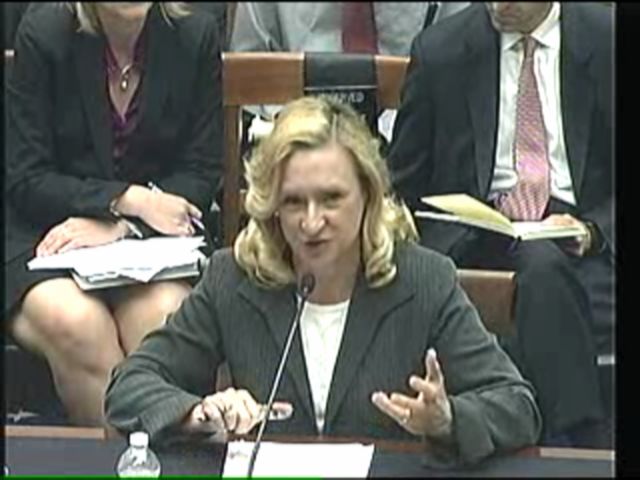
On June 27, 2012, Teresa Stanek Rea, the Deputy Under Secretary of Commerce for Intellectual Property and the Deputy Director of the United States Patent and Trademark Office (USPTO), testified at a hearing on: “International IP Enforcement: Protecting Patents, Trade Secrets and Market Access”, before the US House of Representatives, Judicary Committee, Subcommittee on Intellectual Property, Competition, and the Continue Reading →